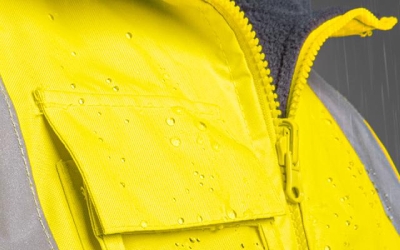
Breathable garments allow air exchange between the wearer’s body and the environment. When a protective garment is breathable, the fabric or material provides air and moisture vapours. Breathability in protective garments is usually achieved through the use of certain fabric technologies or construction techniques that allow air molecules to pass through the material while having the ability to block larger liquid water droplets from penetrating the fabric. The garment can still provide protection while allowing heat and moisture to escape the body.
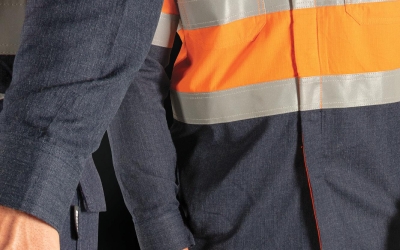
The process of applying tape patterns to workwear is crucial in ensuring that the tape is securely attached and remains visible during use. Tape patterns are applied to safety garments through various methods such as heat press, sewing and adhesive bonding.
For Work Health and Safety (WHS) Managers in Australia’s construction and mining industries, ensuring worker compliance with Personal Protective Equipment (PPE) is a daily challenge. Safe Work Australia reports that non-compliance contributes to 40% of workplace injuries, costing businesses millions in medical expenses and downtime. A critical pain point is lack of worker awareness about the importance of PPE, often due to inadequate training or skepticism about its effectiveness. The PPE Group’s brands—Force360, TRu Workwear, Graphex, and Bool PT—combine high-performance safety with comfort to make PPE indispensable, while our engaging toolbox talks reinforce awareness. Here’s how we help WHS Managers boost compliance and keep workers safe.
In the realm of industrial safety, high-visibility (hi-vis) garments are indispensable. However, maintaining their colour integrity and visibility is a challenge due to varying environmental conditions and the rigorous demands of industrial use. In this exploration, we'll delve into how different fibres like cotton and polyester withstand colour fading, the impacts of UV exposure, and the rigours of industrial washing.
With the introduction of the AS/NZS 1906.4:2023 standard, industrial workwear has seen an exciting expansion in colour options, including vibrant pinks and greens. This enhancement not only improves the visual appeal of safety garments but also emphasises the need for robust dyeing processes that ensure these colours withstand harsh industrial conditions. In this blog, we delve into vat dyeing and reactive dyeing, comparing their effectiveness in terms of longevity against industrial washing and UV exposure.
In Australia’s construction and mining industries, ensuring workers wear Personal Protective Equipment (PPE) consistently is a constant challenge for Work Health and Safety (WHS) Managers. Non-compliance can lead to serious injuries, with Safe Work Australia reporting that up to 40% of workplace injuries are linked to improper or absent PPE use. One of the most significant pain points driving this issue is worker discomfort, which causes resistance to wearing PPE for long shifts in demanding environments. The PPE Group’s innovative brands—Force360, TRu Workwear, Graphex, and Bool PT—are designed to tackle this problem head-on by prioritising comfort without compromising safety.
The purpose of a respirator is to protect the user from inhaling airborne particles. Proper fitment is essential for a respirator to protect the user from airborne particles, fumes, viruses, bacteria and other hazardous substances. An airtight seal ensures that air passing through the respirator is filtered, removing pollutants before they are breathed in. If there are gaps or obstructions between the respirator and the face, contaminated air can bypass the filter, exposing the user to potentially hazardous particles that may enter their respiratory system.
The COVID-19 pandemic has sparked a surge in the use of respiratory masks, leading to an increased awareness of the importance of respiratory protection. With an array of respiratory masks available in the market, selecting the most appropriate type of respiratory protection can be challenging. Among these options are disposable and reusable respirators. Choosing the proper respiratory mask depends on several factors, such as intended use, comfort, durability, cost, environmental impact, and task-specific regulations and standards. The differences between disposable and reusable respirators, include their features, benefits, drawbacks, and environmental impact. It’s important to understand the differences between each respirator to help you make an informed decision when selecting the appropriate PPE.
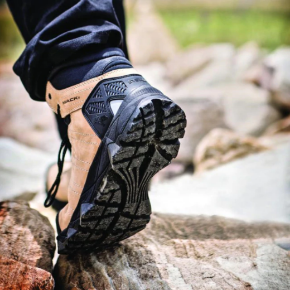
Discover essential boot cleaning & foot care tips for cold weather. Keep feet warm & safe. Quality boots & maintenance advice. Stay prepared.
In the realm of industrial safety, one aspect holds paramount importance: Personal Protective Equipment (PPE). Serving as a crucial line of defense, PPE plays a significant role in safeguarding workers against potential hazards. This comprehensive guide aims to shed light on the significance of PPE in industrial safety and its various applications. At Workwear Direct, Australia's trusted provider of Workwear & Safety solutions, we recognize the importance of PPE and offer a wide range of high-quality products to ensure the safety of your workforce.
Ensuring the safety and visibility of workers is of utmost importance for TRu Workwear. TRu Workwear’s garments are certified to meet the highest standards that significantly enhance visibility and reduce the risk of accidents. One of these standards is the Class F (W) category Class F (W) is a specific category designed to offer optimal visibility and protection among these standards. Delve into Class F (W) workwear requirements and benefits.
Safety is a top priority in any workplace, and protective workwear is crucial in keeping workers safe from on-the-job hazards. While all workwear must meet safety standards and regulations, there are significant differences between certified and compliant workwear. It is essential to understand why certified workwear is safer than compliant workwear. By understanding the benefits of certified workwear, you can make informed decisions about choosing the correct workwear to keep yourself and your colleagues safe in the industry.