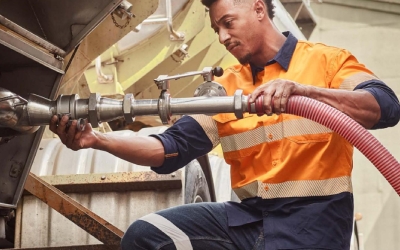
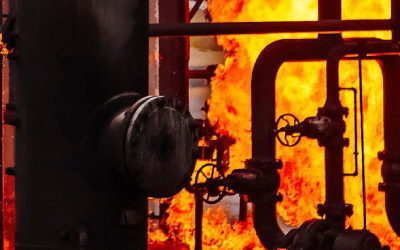
Fire Resistant workwear brands are relied upon to provide the safest protection against onsite hazards, including low light sources, intense heat, open arcs, chemicals, or static hazards on Australia’s most danger-prone sites. Perhaps most importantly, FR workwear protects against ‘flash fire’ and ‘arc flash’ events which, although avoided, when occur can be fatal. Understanding the risk and potential for injury will assist in assessing the need for protection.
It is believed that electrocution was previously considered the number one cause of fatalities in the electrical industry. However, extensive research has revealed that arc flash incidents resulting in burns are, in fact, responsible for more casualties. Companies and organisations have taken proactive steps to continue to educate their employees and promote awareness of arc flash hazards in the workplace.
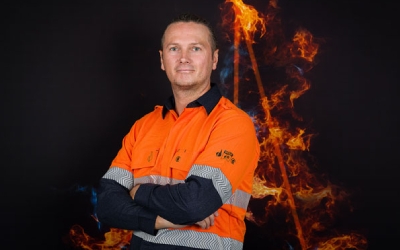
Bool PT brand ambassador, Mark Inglis, sits down with our category manager, Dean Smith, in a tell all story about his arc flash incident and the impact this had on his family and close community.
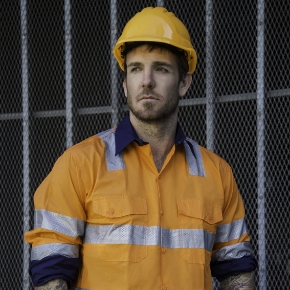
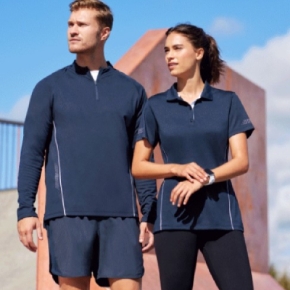
In Australia's demanding work environments, particularly within construction, mining, and industrial sectors, the significance of breathable workwear cannot be overstated. The nation's climate, characterised by high temperatures and humidity, necessitates garments that not only ensure safety but also provide comfort.
For anyone conducting outdoor work, differentiating a polarised spec from a standard smoke or mirror coated spec will make a big difference in optical clarity and comfort. The harsh Australian sun will inflict high levels of ultraviolet (UV) radiation on our eyes. When selecting a safety spec, taking vigilant action will reduce the risk of harmful optical conditions, like conjunctivitis or cataracts.
Force360 strive to offer a comprehensive range of safety eyewear that addresses the diverse needs of workers in various environments. Mirrored lenses are a standout choice within the product lineup, combining style with functional benefits that are particularly useful in certain work settings and leisure activities. Understanding when and why to use mirrored lenses can help you make an informed decision to enhance both your safety and comfort.
Australia’s diverse and challenging work environments demand more from Personal Protective Equipment (PPE). Whether it's enduring the blazing sun, staying hydrated in arid condition, or ensuring breathability for long hours of work, the right PPE is crucial for worker safety and productivity. Workwear Direct and TRu Brands, are dedicated to providing innovative PPE solutions tailored for these unique conditions. From breathable fabrics to advanced UV protection, our products deliver both safety and performance. Here’s how our market-leading solutions can transform your worksite.
Gauge your safety and performance! Understanding glove gauges is important for protecting your hands in the workplace. Gloves with specific gauges offer advantages and protection for certain tasks. For example, thinner gloves are perfect for electricians handling thin cables. Deciding on the appropriate safety glove can be daunting due to the many available alternatives. The work environment and potential dangers should guide your choice. But first, what is gauge?
As sustainability becomes a core priority in Australia’s construction and mining industries, the demand for eco-friendly Personal Protective Equipment (PPE) is surging. According to the Australian Government’s National Waste Report published in 2024, the construction sector generates over 20 million tonnes of waste annually. The PPE Group is at the forefront of change, incorporating sustainable materials like recycled PET yarns in gloves, bio-based components in spectacles and goggles, plastic-free packaging with FSC-certified board, and durable designs that extend product life. Here’s how these innovations are transforming PPE while keeping workers safe onsite.
In Australia’s construction and mining industries, Personal Protective Equipment (PPE) is indispensable for safety, but its disposal poses a significant environmental challenge. Safe Work Australia reports that these sectors generate substantial waste, with PPE contributing to landfill pollution and resource loss. End-of-life (EOL) solutions are critical to close the loop, and The PPE Group’s 360processed program - partnering with Upparel - provides a comprehensive recycling pathway. This initiative diverts PPE from landfills, upcycles materials, and offers transparent reporting, ensuring a sustainable afterlife for gear. Discover how 360processed addresses EOL issues and why it’s essential for sustainability managers.
As summer approaches, Australian workplaces face soaring temperatures and environmental challenges that impact both physical and mental health. For businesses, ensuring workplace safety becomes essential—not just for compliance but to foster staff wellbeing, productivity, and morale. Proactive preparation with appropriate workwear, health measures, and PPE solutions helps protect employees during the warmer months.
Discover the durability and style of Syzmik workwear at Workwear Direct Australia. Elevate your team's image with top-quality uniforms. Shop now!



































_400.jpeg "Garment Breathability and Weights - What to Chose?")