Don't let winter freeze your plans! This guide equips you with layering techniques, best material choices, and tips for keeping extremities warm. Stay comfortable & productive all season long!
In the rugged terrains of the Australian mining and construction industries, where workers are often at the mercy of unpredictable weather, the quality of wet weather gear is not just about comfort—it's about safety and productivity. The backbone of ensuring the effectiveness of this critical gear is the Australian Standard AS 2001.2.17:1987, which provides a rigorous framework for testing the resistance of fabrics to water penetration. This blog explores how this standard applies to the mining and construction sectors and delves into the science behind the testing of wet weather garments.
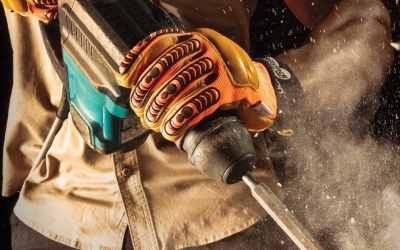
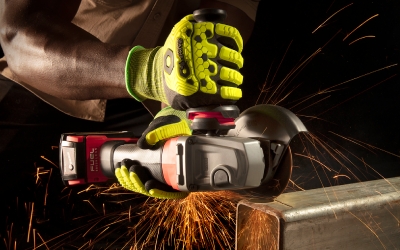
Unknown to most people, gloves in Australia are almost always sold as compliant to Australian or European Standards. They may show the ‘CE’ mark and mechanical score and symbol like ‘EN388 4542F’ . They may state in their literature ‘Compliant to European Standards’ or ‘meets European Standards’. They may also print AS/NZS 2161.3 on the glove as a way of claiming the glove is standards approved.
When temperatures drop on Australian worksites, hand safety is often compromised by choosing bulky, unrated winter gloves. This technical insight breaks down the formal AS/NZS 2161.5 (EN 511) standards for cold resistance, demonstrating how selecting the correct thermal and mechanical performance properties protects your workforce, safeguards your business from compliance failure, and eliminates the hidden costs of winter drop injuries.
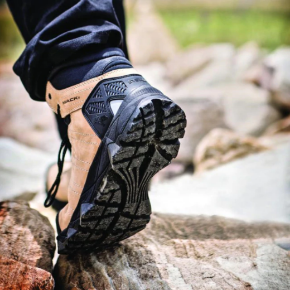
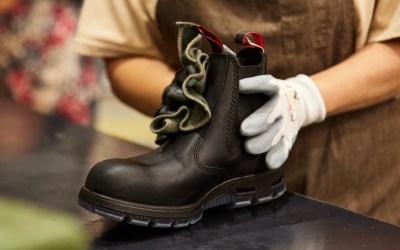
Quality safety boots perform best when they’re properly maintained. Discover practical cleaning, conditioning and storage tips to help extend the life, comfort and durability of your Redback safety boots and work footwear in demanding Australian conditions.
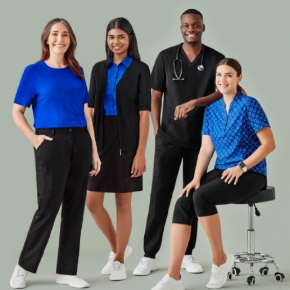
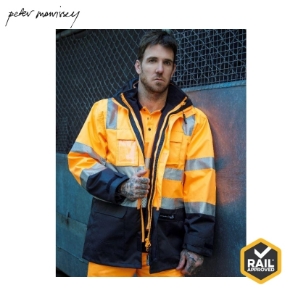
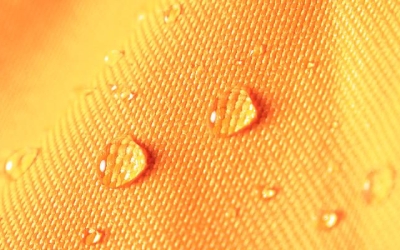
Protective workwear is critical in work environments, safeguarding workers from hazards and ensuring their safety and well-being. TRu Workwear offers various garments designed to adapt to different weather conditions. Understand the distinctions between water-repellent, water-resistant, and weatherproof materials.
Gift Ideas for mum Thursday, 30 April 2026 Greetings to all the wonderful sons and daughters out there! Mother's Day is just around the corner, and it's the perfect time to show some love and appreciation for the special lady in your life. As a workwear company, we understand how hard mums work, and we want to help you make this day extra special for her. So, how can you make your mum feel loved and appreciated? Here are a few mothers day ideas to get you started...
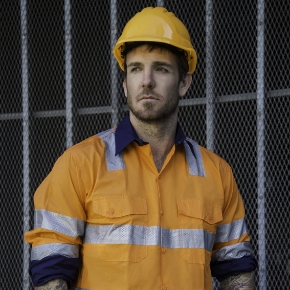
In Australia’s high-risk mining and construction industries, personal protective equipment (PPE) is more than just gear - it’s a lifeline. Despite stringent safety regulations, non-compliance with PPE usage remains a persistent issue, leading to lost time injuries (LTIs), operational disruptions, and significant financial burdens. At Private Brands, we understand the critical role our certified PPE and workwear ranges, including Force360, Graphex, Bool PT FR workwear, and TRu Workwear high-visibility workwear, plays in preventing these costly consequences. Let’s explore the true cost of not wearing PPE, the impact on subcontractors, and why investing in quality PPE is a game-changer for both business and worker safety.
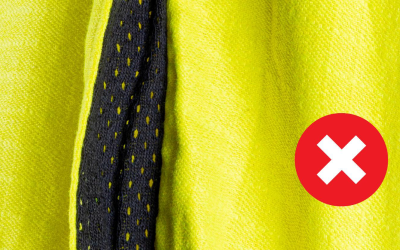
Ensure workers can identify flaws in their FR garments to ensure the safety and effectiveness of the protective clothing
As the crisp air of autumn sets in across Australia, there's a noticeable shift in the atmosphere. The leaves are changing hues, mornings are cooler, and the days are getting shorter. With this change in season comes a change in wardrobe, especially for those who work outdoors or in environments where the temperature can fluctuate.
In the demanding environments of Australian industries such as mining, construction, energy, electrical, and oil & gas, FR workwear must withstand extreme conditions while providing continuous protection. Ensuring the longevity of these garments is crucial for both safety and cost-effectiveness. This blog explores strategies for maximising the lifespan of FR workwear, highlighting the durability and advantages of Bool Parvotex fabric.
Unlike standard workwear garments, the fabric composition of flame resistant fabrics varies drastically, depending on purpose and region. Traditionally in Europe and America, FR garments have been thick and heavy; however, such garments in hot Australian conditions would not suffice. Blends of cheaper, less wear-resistant fibres are also commonplace. Although such garments, when new, may pass specific FR standards and achieve comparable ratings, their degradation occurs sooner, rendering the garment less safe to wear over its lifespan.