



































































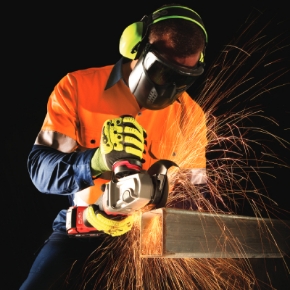




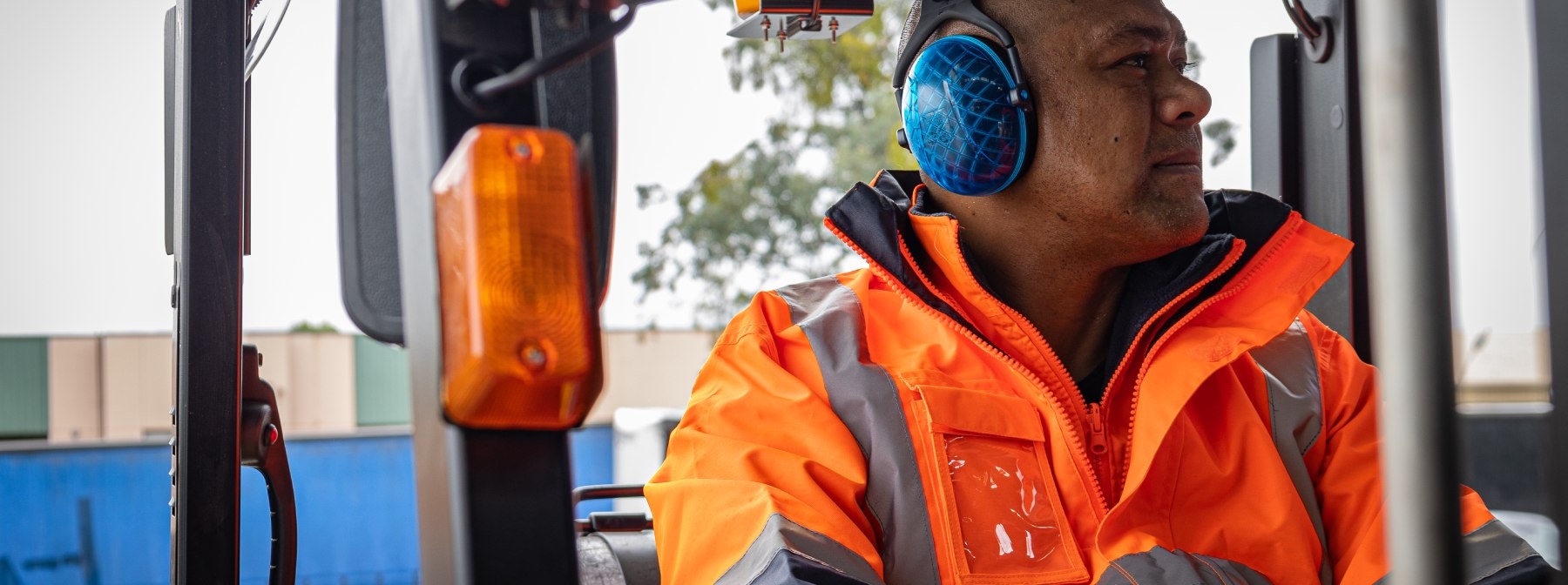
It is a fact that too much noise onsite can lead to temporary or permanent hearing loss or tinnitus – defined by ringing in the ears.
The most at risk category of workers is industrial manufacturing workers who rely on their PPE to protect them from Noise-Induced Hearing Loss (NIHL). NIHL can be brought upon by long-term exposure to harmful levels of sounds.
With Force360 certified hearing protection you are guaranteed protection for the stipulated dB classification, as tested to Australian standards. However, as we know there are more factors at play when preventing a team from hearing injuries. How effective is hearing protection is being used?
Now is the perfect time to assess your plan for preventing NIHL. Is your team seeing results from your hearing protection plan? Is it time to evaluate and establish new procedures for wearer training, checking and purchasing?. Here are some areas to consider when evaluating your plan.
1. Proper use
A full assessment of the working environment must be conducted to determine the level of noise in dB that a worker can potentially be exposed to. Any noise over 85dB is hazardous and requires hearing protection. Pay attention to the class rating of your earmuff or earplug and ensure it is suited to your context. Conditions may have changed in the workplace, ensure you are assessing changes in noise levels.
2. Proper Fit
It is important to note that not everyone’s ears are the same shape and size. Although earplugs generally fit everyone if you or your team members have special comfort requires. Pay attention to these. If you can’t wear the ear-protection for the entire intended duration chose anther. Donning and doffing while worker and, shifting or irregular fits renders ear protection mute.
3. Cared & Maintained
Check the relevant maintenance and storage information of Force360 on the box or on our website. Hearing protection that has been broken and mismanaged will put the wearer at risk. Assess the condition of PPE, ineffective PPE must be discarded.
4. Training
Workers must be aware of and reminded how to best use their PPE. Organising fit-testing will allow provide easy individual assessments of how effective the protection is. Some general areas to educate on include:
- Donning when entering hazardous areas
- Reporting defective hearing protection
- Raising potential unmanaged noise hazards
5. Safety officers
WHS officers, HSE Officers and supervisors are just examples of personnel intrusted with the responsibility of initiating and managing hearing protection plans. Sourcing and issuing readily available replacements ensure efficient protection.
6. Spot checks
Checking where and when hearing protection is being used is just as important as conducting fit checks. Safety officer should routinely spot check and answer safety questions or offer assistance.
7. Setting a good example
No matter who you are onsite, leading by example will be a force for good practice. Do the right thing, wear the right PPE and do it at the right time.
Contact Workwear Direct for expert recomendations and certification standards.