Despite widespread recognition of change management’s importance in modern organisations, many leaders struggle to effectively implement transformational initiatives due to inadequate resources, capabilities and outdated methodologies.
WorkSafe Victoria recently issued a safety alert reminding employers about controlling risks associated with lead-based paint removal. Lead-based paint, commonly used on many pre-1970s buildings and structures, can contain lead levels greater than 1 per cent. Work involving sanding, buffing or removing paint with lead levels greater than 1 per cent by dry weight is regulated under Part 4.3 of the OHS Regulations as a ‘lead process’, with specific duties for employers undertaking this work.
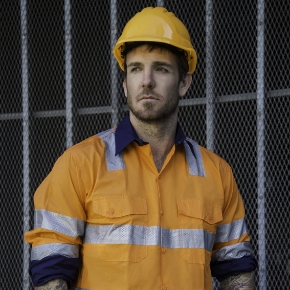
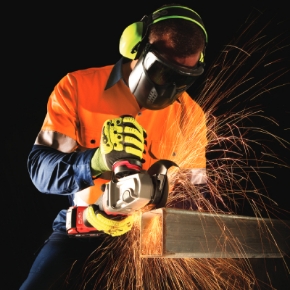
When it comes to sourcing workwear uniforms and safety PPE for your business, making the right choice isn’t just about compliance, it’s about protecting your team, ensuring professional presentation, and building trust with your clients. Workwear Direct has established itself as Australia’s leading provider in this space, thanks to our extensive experience, product range, and customer-focused services.
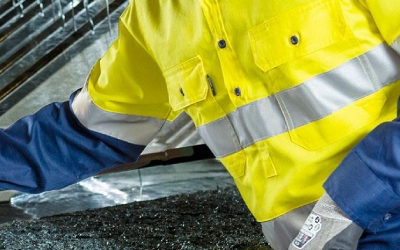
Tape patterns are vital in enhancing safety and visibility in various industries. Tape patterns have become essential in workwear, from construction sites and roadways to industrial settings. Explore how tape patterns contribute to a safer and more secure work environment.
Getting the balance right between workplace health and safety and process safety risks is one of the more common challenges for organisations when it comes to process safety and being a high-reliability organisation, according to an expert.
WorkSafe Victoria recently issued a reminder to employers and workers about the risk of falling objects, and that even a small falling object can hit hard with enough force of gravity behind it.
The AIHS will be publishing a series of news stories through October to support the four themes of National Safe Work Month. The first week focuses on WHS fundamentals, and gets back to basics by unpacking the fundamentals of WHS. There are a number of fundamentals of good WHS practice, according to Safe Work Australia and industry leaders, who said one of the most important is taking an evidence-based approach to proactively managing WHS risks.
As small businesses continue to struggle with high operational and living costs, there are calls to make at least one running cost free with concerns safety may be compromised to reduce spending.
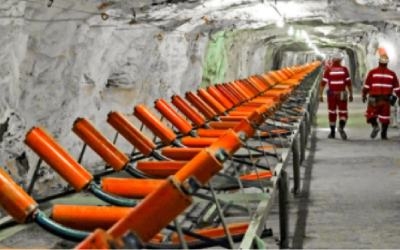
While mining industry operators have experienced significant reductions in serious safety incidents through critical control management, there is still room for improvement as organisations learn the most effective ways to manage risks through the approach.
There has been a 56 per cent increase in workers’ compensation claims for assaults and exposure to workplace violence since 2017-18, according to a recent Safe Work Australia report. It found that there were 53,139 accepted workers’ compensation claims for being assaulted and 12,721 accepted claims for exposure to workplace or occupational violence over the past 10 years.
For organisations looking to shift from lagging safety indicators to leading indicators, they must first address their preparedness, priorities and safety culture maturity level, according to recent research. Specifically, leading indicators must be adopted with a systems-thinking approach where they are developed and used in a work context involving people and technology, rather than merely focusing on human behaviour or identifying leading indicators for machinery or plant.
Although most businesses strive to do the right thing by their employees and reduce psychosocial risks, the complexity of this task means most organisations are still struggling to comprehensively address workplace mental health challenges, according to the Black Dog Institute.