





























































 Published by: TRu Brands, 13/6/2023 8:01 AM
Identifying and recognising potential issues or defects in FR garments involves assessing physical damage and changes in the garment’s protective properties. To ensure proper evaluation, it becomes crucial to pinpoint specific indicators that establish whether a garment is genuinely certified or merely compliant. The ability to spot issues plays a pivotal role in maintaining FR garments’ overall integrity and effectiveness in protecting against flames, heat, and thermal hazards. It is imperative to remain vigilant as counterfeit or falsely labelled FR garments still pose a significant risk to the wearer’s safety, highlighting the importance of thorough assessment and authentication.
How To Identify if an FR Garment is Truly Certified
Wearers must be able to identify flaws in their FR garments to ensure the safety and effectiveness of the protective clothing. Thoroughly examining signs of wear, tear, damage, or other issues early on and taking appropriate action, such as repair or replacement, can ensure the continued protection of the wearer. Since there are counterfeits and falsely labelled FR garments available in the market, it is vital to look out for specific indicators and information that validate if an FR garment is certified.
 Here are some key factors to look out for:
Labelling & Markings
Look for proper labelling and markings on the garment that indicate compliance with relevant standards and certifications. Check for labels such as neck tags and swing tags that specify the applicable standards and certification marks from accredited testing organisations and other necessary information such as manufacturer details and care instructions.
Certification Documentation
Verify if the manufacturer provides documentation or certificates that validate the garment’s compliance with specific standards. Ensure that these are authentic and from reputable organisations. These documents should include information about testing methods, test results, and the certification date.
Fabric Composition
Check if the fabric composition aligns with the specified standards. Ensure that the fabric used meets the necessary requirements for FR. FR garments are typically made from specific FR materials such as Modacrylics, Polyarylates, Cotton and Carbon Fibres. Among others. It is important to understand how these fibres and fabrics will perform in Australian environments and how some fibres will degrade in certain conditions, making some FR garments un-wearable.
Compliance with Design & Standards
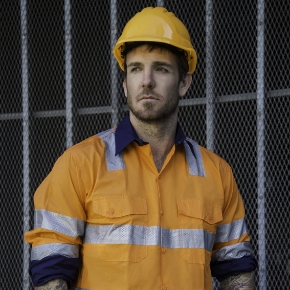
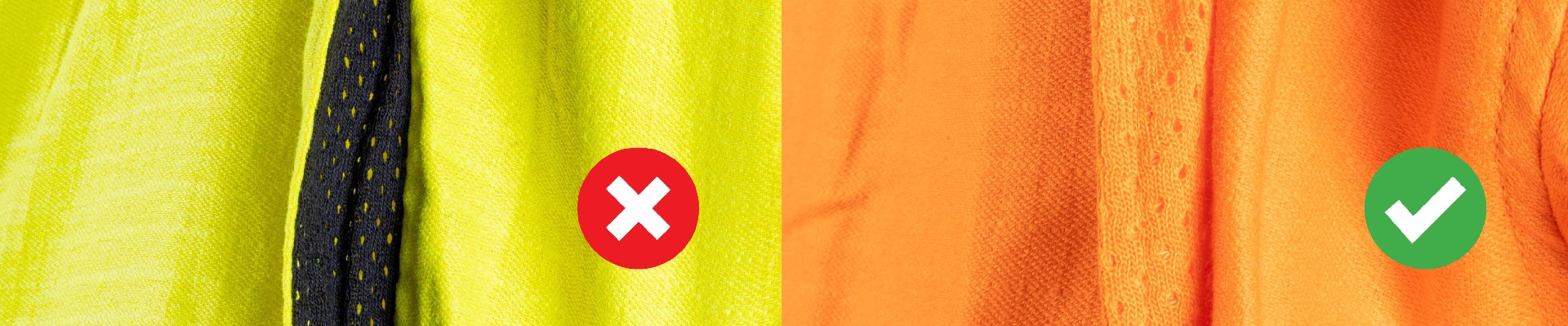
Specific safety standards or design requirements may dictate the use of coloured venting features and the placement and configuration of reflective tape on FR garments. Checking for the presence and accuracy of additional venting features and inaccurate or broken tape patterns ensures that the garment adheres to the required specifications and complies with relevant safety regulations. It is also important to understand that in two-tone garment applications, there is a standard requirement for a minimal amount of Hi Vis colour to be visibly seen in an FR garment, front and back. This also applies to Cotton Drill applications.
Construction Quality
Assess the overall construction quality and ensure it meets specified standards. Poor construction can compromise the garment’s integrity and performance. Check the garment for broken seams and inadequate or broken closures (buttons, snaps, zippers, etc.).
Test Reports & Certifications
Ensure the manufacturer can provide test reports or certificates from independent third-party notifying bodies such as BSI Australia. These reports demonstrate the authenticity that the FR garment has undergone rigorous testing and they genuinely meet the specified standards.
Certified Safety
It is crucial to know that counterfeit or falsely labelled FR garments are in the market, emphasising the need for thorough verification. When in doubt or if you have concerns about the authenticity of a certification claim, reaching out directly to the certification organisation can be a reliable way to validate the garment’s certification status. By proactively seeking clarification, you can ensure confidence in the legitimacy of the FR garment’s certification.