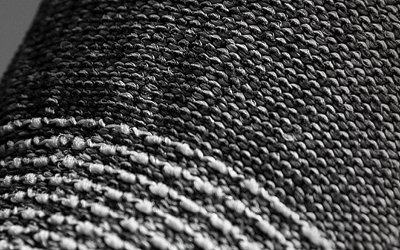
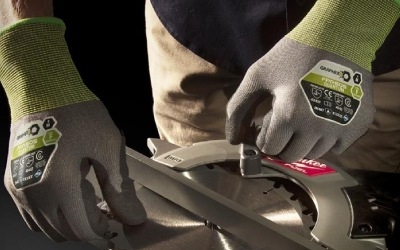
Glove gauge is a crucial consideration that can impact everything from dexterity to cut protection. A higher gauge means more stitches per inch, resulting in lighter, more dense stitching. Take a closer look at the advantages of higher gauge cut gloves and why they might be the right choice for your industry or application.
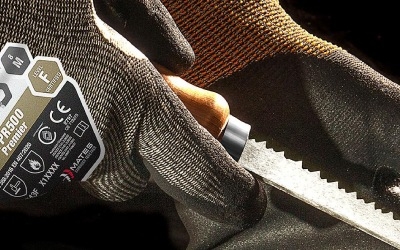
Hand injuries are the most common type of work-related injuries among Australians. Therefore, gloves certified to the latest Australian and New Zealand standards provide employees and employers alike complete peace of mind, as the gloves supplied are of the highest quality and perform to their published mechanical performance claims.
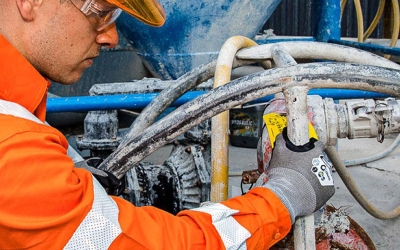
Workers in the oil, gas, mining and construction industries become exposed daily to a diverse range of unforeseen circumstances and hazards, which can result in severe injury to their hands. In these environments, workers are at risk of crushing, puncturing, and pinching-related injuries. Hand injuries caused by impact hazards are painful, costly, and sometimes irreparable. It affects both employer and employee, making it crucial for all to understand the importance of wearing impact protection gloves, especially in industries with high risks of impact hazards.
Gauge your safety and performance! Understanding glove gauges is important for protecting your hands in the workplace. Gloves with specific gauges offer advantages and protection for certain tasks. For example, thinner gloves are perfect for electricians handling thin cables.
Hand Protection is a crucial part of PPE for any physical labour task, handling dangerous chemicals, operating tools, equipment and machinery. It is imperative that appropriate ‘task-specific’ gloves, are worn in the workplace. The Graphex® range at Workwear Direct features an extended thumb and forefinger saddle. This beneficial design boosts the gloves’ overall protection, grip and longevity - further reducing the risk of hand injuries in the workplace.
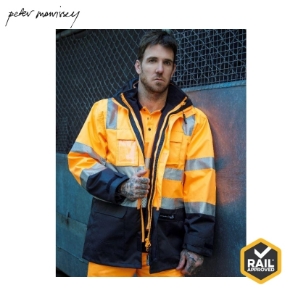
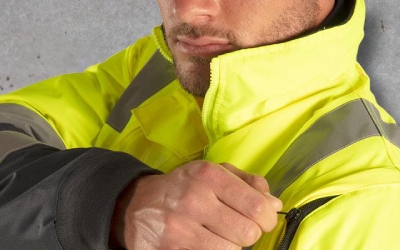
Fluctuating weather conditions on-site can be challenging, causing workers to experience sudden shifts in temperature and hindering their ability to perform their job. Explore the advantages of layered clothing for keeping warm on-site and how it can help workers maintain their focus and safety, even in the coldest weather conditions.
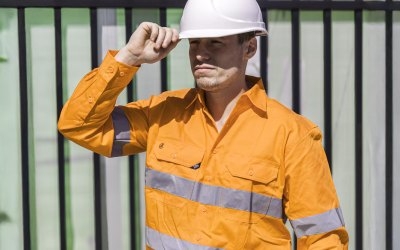
In the realm of industrial safety, high-visibility (hi-vis) garments are indispensable. However, maintaining their colour integrity and visibility is a challenge due to varying environmental conditions and the rigorous demands of industrial use. In this exploration, we'll delve into how different fibres like cotton and polyester withstand colour fading, the impacts of UV exposure, and the rigours of industrial washing.