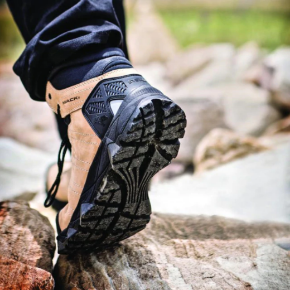
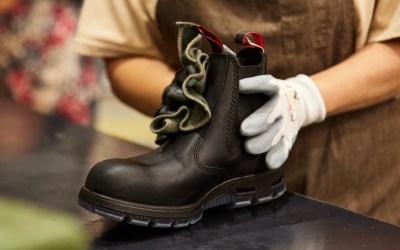
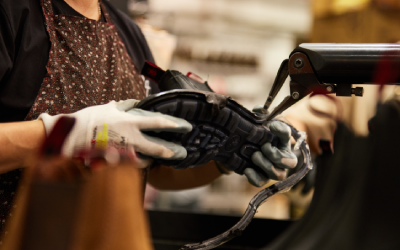
Quality safety boots perform best when they’re properly maintained. Discover practical cleaning, conditioning and storage tips to help extend the life, comfort and durability of your Redback safety boots and work footwear in demanding Australian conditions.
Explore the story behind Redback Boots — the proudly Australian-made safety footwear brand trusted across construction, mining, agriculture and industrial industries. From its Sydney manufacturing heritage to its reputation for durability, comfort and performance, discover why Redback continues to lead the way in premium safety footwear for hardworking Australians.
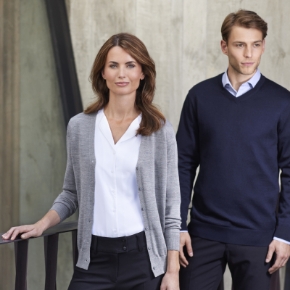
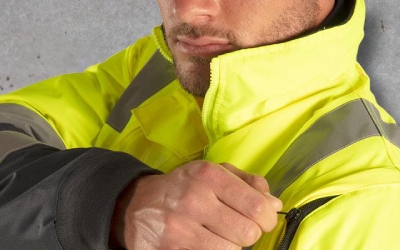
Fluctuating weather conditions on-site can be challenging, causing workers to experience sudden shifts in temperature and hindering their ability to perform their job. Explore the advantages of layered clothing for keeping warm on-site and how it can help workers maintain their focus and safety, even in the coldest weather conditions.
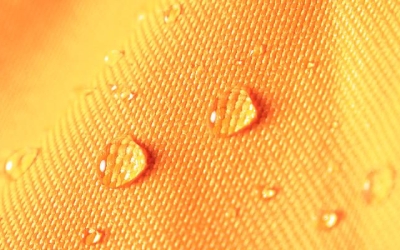
Protective workwear is critical in work environments, safeguarding workers from hazards and ensuring their safety and well-being. TRu Workwear offers various garments designed to adapt to different weather conditions. Understand the distinctions between water-repellent, water-resistant, and weatherproof materials.
Discover how Workwear Direct consistently delivers superior printing quality and customer satisfaction, as showcased in Simon Newman's experience. Explore our high-quality custom-printed apparel and uniforms.
In the Australian industrial landscape, Personal Protective Equipment (PPE) is often the final line of defence. However, simply providing the gear is only half the battle. Under the Work Health and Safety (WHS) Act, Australian businesses (PCBUs) have a legal obligation to ensure that PPE is not only provided but is suitable, maintained, and properly fitted.
Maximize your uniform investment with the right fabric choice. Compare 100% cotton, cotton-back, and recycled polyester for Australian business apparel. 20+ years of expertise.
Gift Ideas for mum Thursday, 30 April 2026 Greetings to all the wonderful sons and daughters out there! Mother's Day is just around the corner, and it's the perfect time to show some love and appreciation for the special lady in your life. As a workwear company, we understand how hard mums work, and we want to help you make this day extra special for her. So, how can you make your mum feel loved and appreciated? Here are a few mothers day ideas to get you started...
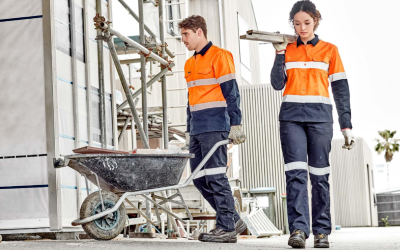
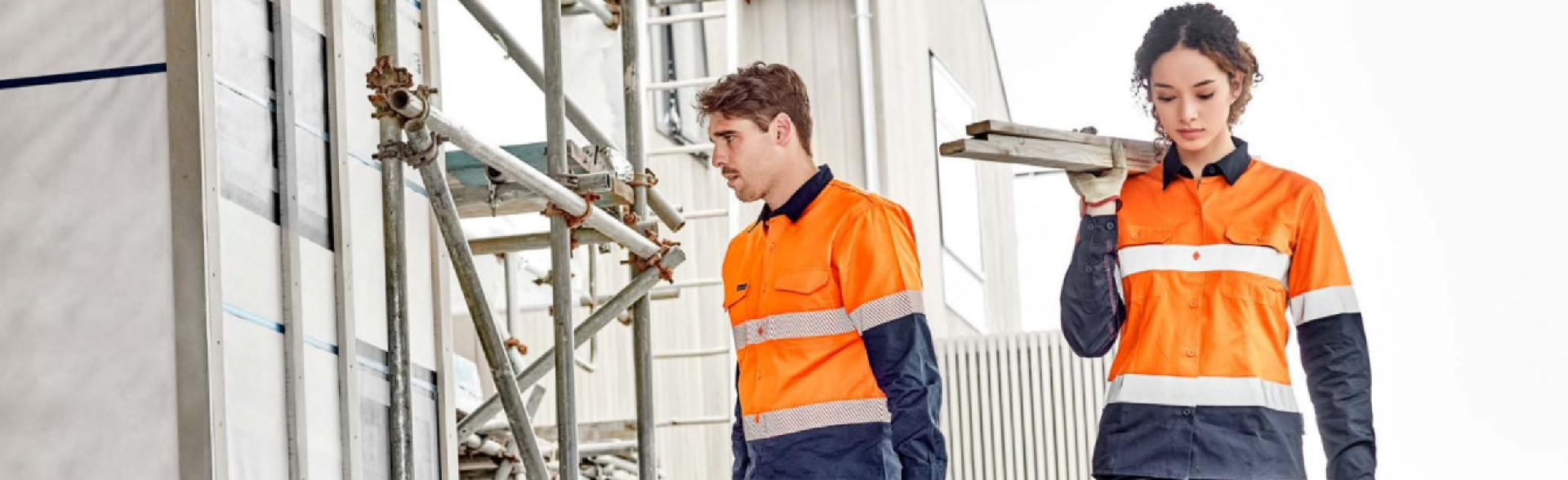
Syzmik leading workwear fabric quality is the foundation of their brand. To ensure each garment meats rigurious standards to produce has exceptional durability and longevity Syzmik test their fabric to the wide range of testing criteria described below. Only approving the fabric to go into production if it meets their high standards. "We don’t make claims we can’t prove."
AS/NZ 1906.4.2010
Retro reflective materials and devices for road traffic control purposes - High-visibility materials for safety garments
This standard specifies the chromaticity levels to which fabrics need to be dyed in terms of performance and atmospheric pressures in order to comply to the standard. Natural fibre garments have a lower chromaticity level due to the nature of the fabric.Class F Daytime fluorescent Class R Retroreflective materialClass RF Retroreflective and fluorescent Class NF High daytime visibility NON Fluorescent
AS/NZ 4602.1.2011
High visibility safety garments – Garments for high risk applications
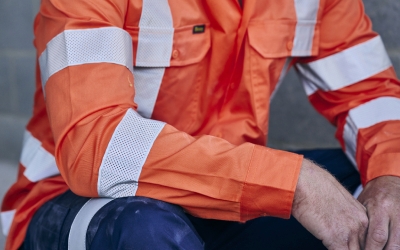
There should be no less then 0.2m2 of unbroken hi visibility fabric on both the front and back of any garment that covers the upper torso. High visibility fabric must not be broken with non compliant fabric within the 0.2m2 area from the top of the shoulders to the waist, so no full side panels at armpit level are permitted.This standard also explains the position of the retroreflective tapes on the garment, the width and quantity used. These tapes should not detract from the 0.2m2 measurement required.Class D Daytime useClass N Night time use using retroreflective materialClass D/N Day/night use
AS/NZS 4399/2017
Sun protective clothing — Evaluation and classification
This standard refers to the capability of a fabric to protect skin against solar ultra violet radiation (known as UPF = ultra violet protection factor). This standard is an additional bonus to the garment rather than an essential requirement for hi-visibility standards but often specified from specific industry users.
Please note: Excessively large embroidery may jeopardise the classification of the hi-visibility safety garment. Embroidery on wet weather jackets may also impair the waterproofing properties of the garment. Please seek professional advice.
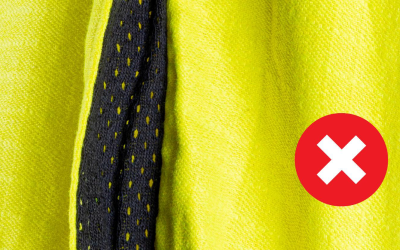
Ensure workers can identify flaws in their FR garments to ensure the safety and effectiveness of the protective clothing
In Australia’s high-risk mining and construction industries, personal protective equipment (PPE) is more than just gear - it’s a lifeline. Despite stringent safety regulations, non-compliance with PPE usage remains a persistent issue, leading to lost time injuries (LTIs), operational disruptions, and significant financial burdens. At Private Brands, we understand the critical role our certified PPE and workwear ranges, including Force360, Graphex, Bool PT FR workwear, and TRu Workwear high-visibility workwear, plays in preventing these costly consequences. Let’s explore the true cost of not wearing PPE, the impact on subcontractors, and why investing in quality PPE is a game-changer for both business and worker safety.
Bisley Workwear: Trusted Quality, Comfort and Protection for Australian Worksites. When it comes to premium workwear that meets the demands of Australia’s toughest jobs, Bisley Workwear stands out as one of the most respected and enduring brands in the industry